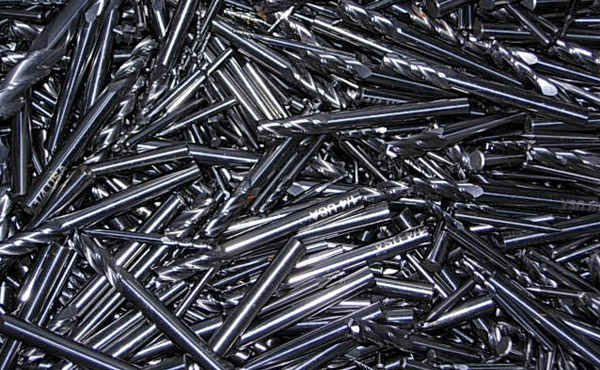
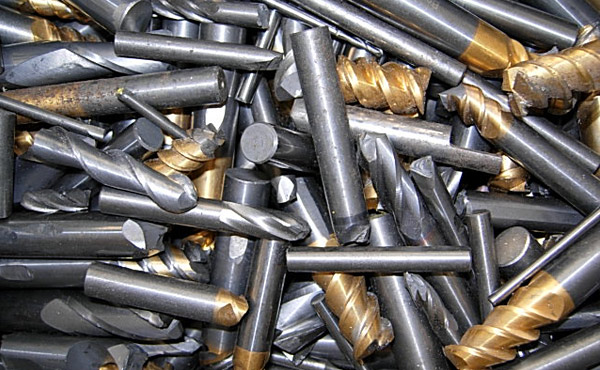
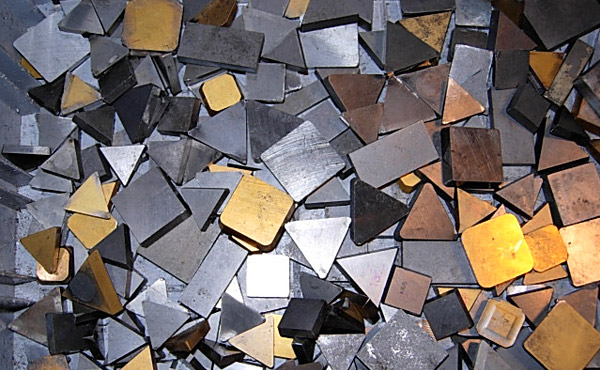
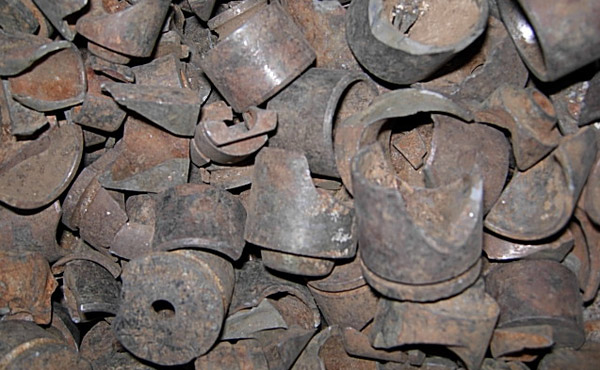
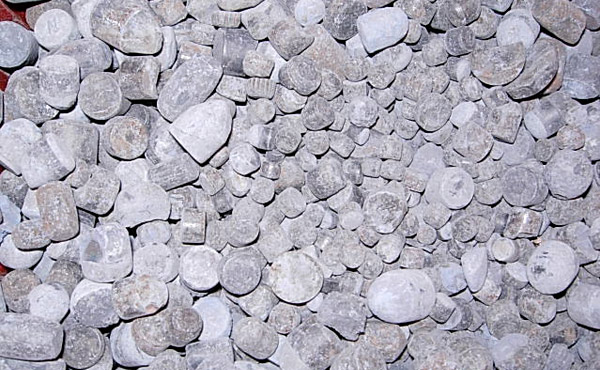
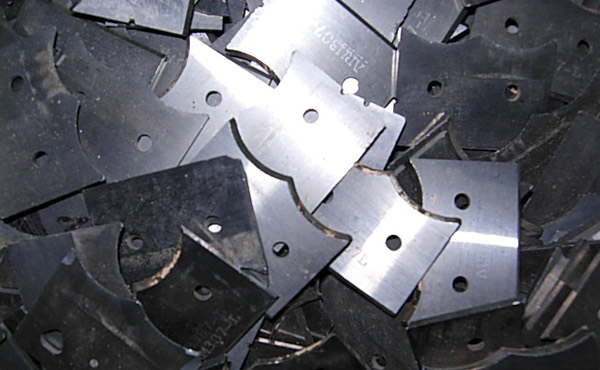
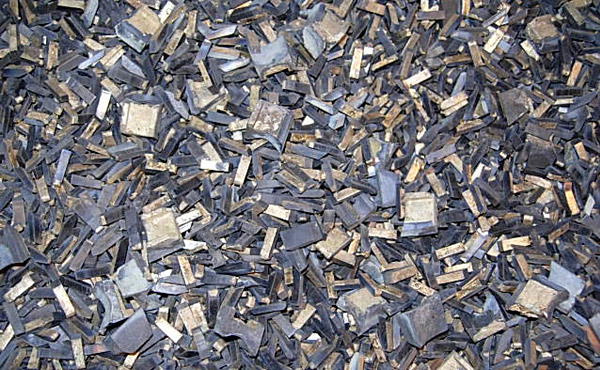
We buy scrap tungsten carbide for recycling. We also purchase scrap high speed steel. For hard scrap, payment is issued within 24 hours of receipt of material. Round tools, drawing dies, inserts, tungsten carbide sludge; if it’s scrap carbide or high speed steel tooling or sludge for recycling, we buy it. Please phone for the latest prices.
630-964-5030
Ask for Jon or Gene
Scrap carbide and hss recycling—how it works:
Day 0: Phone for bid; confirmed by email; price guaranteed 1 week. Please do not send scrap carbide or high speed steel without phoning first.
Day 1: You send the old carbide and/or HSS. Please refer to our ShipByPost or ShipByTruck pages for details.
Day 2-4: Your shipment is in transit.
Day 5: Weighed on certified-for-trade scales, which are checked daily with certified weights. Your check is issued within 24 hours of receipt.
Day 7: You receive the check in the mail.
Please watch our movie:
Scrap carbide must be clean and free of foreign material and separated from any high speed steel.
Tungsten Carbide Trivia
Tungsten is one of densest of all elements. Pure tungsten is slightly heavier than gold with a specific gravity greater than 19. It has the highest melting point of all elements, 6192 °F, and the highest tensile strength at high temperatures. Recovery of tungsten is what makes scrap carbide valuable.
Tungsten is used in super alloys for the aerospace and other high tech industries, e.g. in the turbines of rockets and jet engines. It is the filament in all incandescent light bulbs and most fluorescents; it’s why Tom Edison is famous. Tungsten is used in armor plate, armor piercing ammunition and bunker buster bombs. Tungsten carbide is used for studs in snow tires and recently to make wedding rings instead of gold, and it is used to make the cutting tools—pictured left—that are used to machine products from automotive engine blocks to dental drills. Tungsten carbide tooling is critical to mining and drilling as well as road construction.
65% of USA tungsten consumption is used in the manufacture of new tungsten carbide. Tungsten carbide is typically made by a process called sintering, in which different metal powders, having different melting points, are heated to a temperature approximating the lowest melting point—usually cobalt or nickel—which act as the “binders,“ holding together the unmelted particles of the hard carbides, i.e. tungsten. Technically, tungsten is the aggregate and cobalt is the matrix—like the peanuts and caramel in a PayDay candy bar on a microscopic level.
the Chinese Government — “in order to conserve its resources and meet increasing domestic demand” — has limited tungsten production and exports while increasing imports of tungsten, scrap carbide and high speed steel. China issues new mining and export permissions at the beginning of each new year. January 23, 2012 began the year of the dragon, year 4709.
In response to China’s policies, scrap carbide prices per pound in the United States rose steadily until October 2008, when the price of scrap carbide fell precipitously, like everything else. Towards the end of 2010 and through 2011, scrap carbide prices have risen again to near the 2008 highs.
According to the 2012 US Geological Survey, China has 61% of the world’s estimated tungsten reserves which, at its current rate of production, will be exhausted in 43 years. In 2005, the International Tungsten Industry Association estimated that these reserves would last about 140 years. In 2009, China produced 81% of the mined tungsten, world wide.
Because of its great value, reclamation of carbide from scrap metals is economically feasible. In 2011, tungsten recycling from scrap accounted for 55% of tungsten consumption by USA processors and end users, up significantly from 37% in 2010.
For a long time, tungsten carbide's extreme hardness made reclamation difficult. In the late 1960's and early 1970's, a new solution, known as the zinc recovery process, was devised. This process is based on tungsten carbide's reaction with zinc at high temperatures. It is the basis of recovering both hard and soft scrap.
Molten zinc will react with the cobalt (or nickel) in the carbide to cause swelling and cracking of the scrap metal. After this has occurred, the zinc is distilled from the crucible, leaving the scrap in a more brittle state. The carbide is then ground into a powder, usable in new products as an alternative to virgin tungsten.
In the famous 1946 Film Noir, Gilda, starring Rita Hayworth in her signature role, George Macready plays a fiendish villain who is going to run the world by establishing a monopoly in tungsten. His theory was that control of a critical material could provide a lot of leverage, kinda like bending someone’s little finger backwards. Apparently, the Chinese have seen the movie.
China is the world’s largest tungsten consumer and producer. Since 2005,